Mouth ulcers are small, painful sores that usually appear inside the cheeks or lips, or on the tongue. The NHS says they are common, rarely a sign of anything serious, and should clear up on their own within a week or two. They are not contagious, and should not be confused with cold sores, which appear on the lips or around the mouth.
Causes
The NHS says most single mouth ulcers are caused by things you can try to avoid, such as biting the inside of your cheek, badly fitting dentures, braces, rough fillings or a sharp tooth, cuts or burns from hard food or hot drinks, a food intolerance or allergy, damaging the gums with a toothbrush or an irritating toothpaste, and feeling tired, stressed or anxious. Other triggers are harder to control: hormonal changes such as during pregnancy, family history, a shortage of iron, zinc, folic acid, vitamin B or vitamin D, some medicines, and stopping smoking. Having several ulcers can occasionally be a symptom of another condition, such as hand, foot and mouth disease, Crohn's disease or coeliac disease.
Self-care
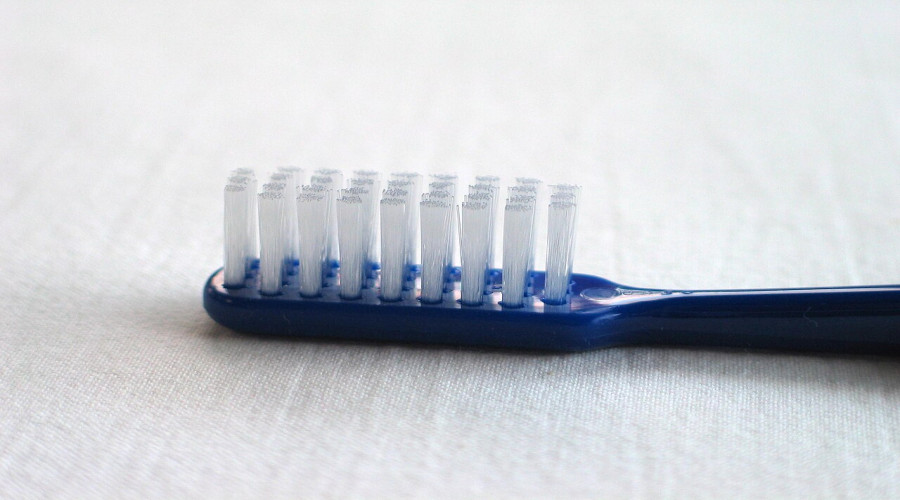
Ulcers need time to heal and there is no quick fix, the NHS says, but avoiding irritation helps speed healing and reduces pain. It advises using a soft-bristled toothbrush, drinking cool drinks through a straw, eating softer foods and keeping to a healthy, balanced diet. It says to avoid very spicy, salty or acidic food, rough or crunchy food such as toast or crisps, very hot or acidic drinks such as fruit juice, and toothpaste containing sodium lauryl sulphate.
A pharmacist can recommend an antimicrobial mouthwash, a painkilling tablet, mouthwash, gel or spray, corticosteroid lozenges, or a salt mouthwash. To make the salt rinse, dissolve half a teaspoon of salt in a glass of warm water, rinse the mouth and spit it out, without swallowing it.
When to see a doctor
See a dentist or GP if a mouth ulcer lasts longer than three weeks, looks different from ulcers you have had before (for example bigger than usual or near the back of the throat), or bleeds or becomes more painful and red, which may signal infection. The NHS stresses that although most mouth ulcers are harmless, a long-lasting one is sometimes a sign of mouth cancer, so it is best to get it checked. Also see a GP if you have ulcers elsewhere on the body, or painful, red or swollen joints.
Traditional homeopathic listings
In homeopathic literature, remedies are chosen according to a person's overall symptom picture. In William Boericke's Homoeopathic Materia Medica, Borax is listed for "aphthous ulceration of mucous membranes", with a mouth that is hot and tender and ulcers that bleed on touch and when eating. Nitricum acidum is listed for blisters and ulcers in the mouth and on the tongue that bleed easily, and for ulcers on the soft palate with sharp, splinter-like pains. Mercurius solubilis is listed for a mouth with increased saliva, foul breath, sore, spongy gums and a tongue with ulcers, with soreness on touch and chewing. Natrum muriaticum is listed where the lips and corners of the mouth are dry, ulcerated and cracked, with vesicles on the tongue or lips.
Several of these substances are toxic when taken in material doses. Boericke's own entries note the gastrointestinal and other harmful effects of overdosing on borax and describe mercury as a "powerful drug". Homeopathic products are highly diluted, but that is a reason to buy only from registered pharmacies and to seek professional advice rather than self-prescribe.
These are traditional listings drawn from homeopathic texts, not proven cures. Australia's National Health and Medical Research Council concluded in 2015 that there are no health conditions for which there is reliable evidence that homeopathy is effective, and the US National Center for Complementary and Integrative Health says there is little evidence for homeopathy as a treatment for any specific health condition. Homeopathic products should not delay assessment of an ulcer that lasts more than three weeks or replace advice from a dentist or doctor.
This article is for general information only. Consult a registered physician before taking any medicine.
Sources: NHS, Mouth ulcers; Boericke, Homoeopathic Materia Medica (Borax veneta, Nitricum acidum, Mercurius solubilis, Natrum muriaticum); NCCIH, Homeopathy: What You Need To Know; NHMRC Statement on Homeopathy (2015).
Image: Illustrative photo: a soft-bristled toothbrush. Photo: Jonas Bergsten via Wikimedia Commons, Public domain. Source: https://commons.wikimedia.org/wiki/File:Toothbrush_20050716_004.jpg