artburnHeartburn, often described in Bangladesh simply as "acidity" or gastric, is a burning feeling in the middle of the chest caused by stomach acid travelling up towards the throat. The NHS says lots of people get heartburn from time to time, and when it keeps happening it may be called gastro-oesophageal reflux disease (GORD, or GERD). Mayo Clinic notes that occasional heartburn is common and usually no cause for alarm.
Causes
Normally a ring of muscle at the bottom of the food pipe, the lower oesophageal sphincter, tightens after food passes into the stomach. If it does not work as it should, acid can flow back up, Mayo Clinic explains. Often there is no obvious reason, but the NHS lists triggers including coffee, alcohol, chocolate, tomatoes and fatty or spicy foods, being overweight, smoking, stress and anxiety, and some medicines such as anti-inflammatory painkillers like ibuprofen. Large or fatty meals, fried food and carbonated or caffeinated drinks can also trigger symptoms, according to Mayo Clinic.
Symptoms
The main symptoms are a burning pain in the chest and an unpleasant sour or bitter taste in the mouth. Some people also have a recurring cough or hiccups, a hoarse voice, bad breath, bloating or nausea. Symptoms are often worse after eating, when lying down or bending over, and at night.
Prevention and self-care
The NHS recommends eating smaller, more frequent meals, avoiding foods and drinks that trigger symptoms, not eating within three to four hours of bedtime, not wearing clothes that are tight around the waist, stopping smoking, limiting alcohol, losing weight if overweight, and finding ways to relax. Raising the head of the bed by about 10 to 20 cm can help, but extra pillows may make things worse. A pharmacist can advise on antacids, and a doctor may prescribe other treatment. Never stop a prescribed medicine without speaking to your doctor.
Red-flag signs
Chest pain can be a sign of a heart attack. Mayo Clinic advises seeking help immediately for severe chest pain or pressure, especially with pain in the arm or jaw or difficulty breathing. See a doctor if heartburn happens more than twice a week or most days, if symptoms continue despite pharmacy medicines, or if you have difficulty swallowing or food getting stuck, persistent nausea or vomiting, or unexplained weight loss.
Traditional homeopathic listings
In homeopathic literature, remedies are chosen according to the person's overall symptom picture. In Boericke's Homoeopathic Materia Medica, Nux vomica is traditionally used in homeopathy for indigestion with "sour, bitter eructations", heartburn (pyrosis) and a heavy feeling in the stomach some time after eating, particularly linked to strong coffee, rich food, late nights and a sedentary, stressful life. Carbo vegetabilis is traditionally listed for slow digestion with fullness, bloating and "rancid, sour, or putrid eructations", with temporary relief from belching and discomfort coming on about half an hour after eating.
These are traditional listings, not proven cures. Australia's NHMRC concluded in 2015 that there is no health condition for which there is reliable evidence that homeopathy is effective, and NCCIH says there is little evidence for homeopathy as a treatment for any specific condition. Homeopathic products should not delay medical assessment of red-flag symptoms or replace treatment recommended by a doctor.
This article is for general information only. Consult a registered physician before taking any medicine.
Sources: NHS, Heartburn and acid reflux; Mayo Clinic, Heartburn: Symptoms and causes; Boericke, Homoeopathic Materia Medica (Nux vomica, Carbo vegetabilis); NCCIH, Homeopathy: What You Need To Know; NHMRC Statement on Homeopathy (2015).
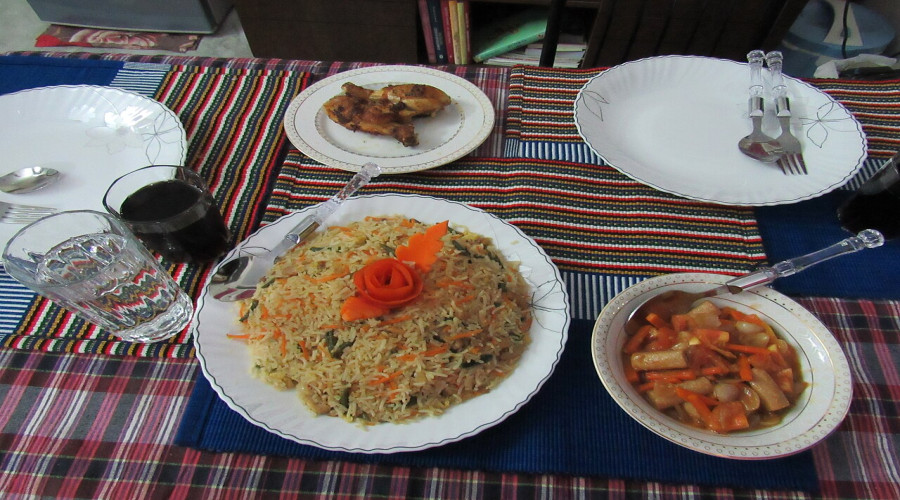
Illustrative photo: fried and rich foods, which can trigger heartburn in some people. Photo: Afifa Afrin via Wikimedia Commons, CC BY-SA 4.0 (https://creativecommons.org/licenses/by-sa/4.0). Source: https://commons.wikimedia.org/wiki/File:Mixed_fried_rice,_sausage_curry_and_chicken_fries.jpg