The Bangladesh Textile Mills Association (BTMA) has started preparing a new minimum wage structure for workers in the primary textile sector, aiming to finalise it before the current structure expires in February 2027, the association said in a press release on Saturday (28 November).

According to The Business Standard, BTMA said the existing minimum wage for textile workers was announced in 2024 and will complete its three-year term next February. The association said it is coordinating with the Ministry of Labour and Employment and the Minimum Wage Board to prepare a revised framework that it described as fair, realistic and up to date.

The association expressed confidence that discussions with all stakeholders would allow an appropriate structure to be settled ahead of the deadline. No proposed wage figures or implementation date have been announced so far.

BTMA represents the primary textile industry, which includes spinning, weaving, dyeing and finishing mills that supply yarn and fabric to the readymade garment sector. In its statement, the association stressed the close link between the two industries and said primary textiles make a significant contribution to export earnings, jobs and industrial growth.

The press release also raised concern about what BTMA described as attempts by a section of workers to create disorder at several mills over demands for a new minimum wage. The association alleged that an interest group was encouraging the unrest and warned that disruptions could hurt production and the wider economy.

Citing a media report, BTMA said a substantial volume of export orders for Bangladesh's textile and garment sectors had already moved to other countries following recent industrial disruptions. The Business Standard separately published an analysis this week examining whether garment orders are actually leaving the country or simply shifting between factories inside Bangladesh.

The association urged workers, labour organisations, factory owners and other stakeholders to show patience and restraint so that production can continue. It said cooperation from all sides would be essential to introduce a balanced, worker-friendly wage structure that textile workers can accept and that also protects the long-term sustainability of the industry.

Source: The Business Standard, Dhaka Tribune, The Financial Express, New Age

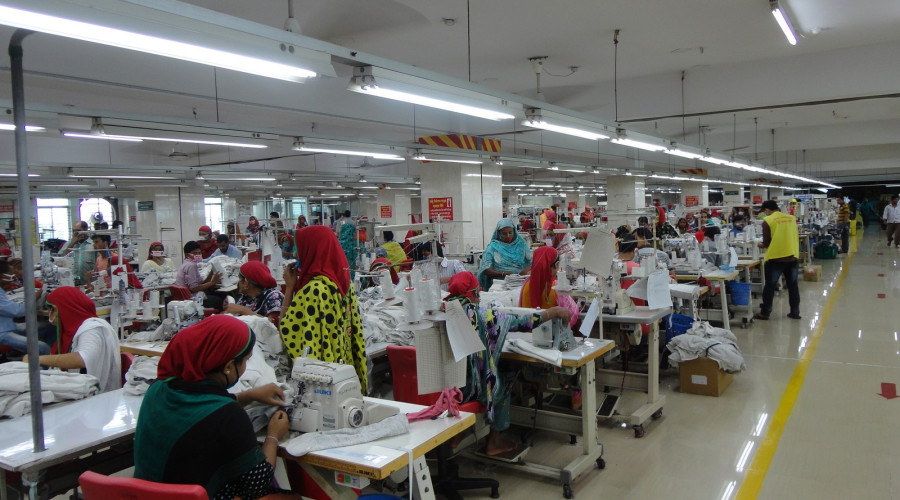
Image: File photo: workers on a factory floor in Bangladesh's textile and garment industry. Photo: Fahad Faisal via Wikimedia Commons, CC BY-SA 4.0 (https://creativecommons.org/licenses/by-sa/4.0). Source: https://commons.wikimedia.org/?curid=106738034