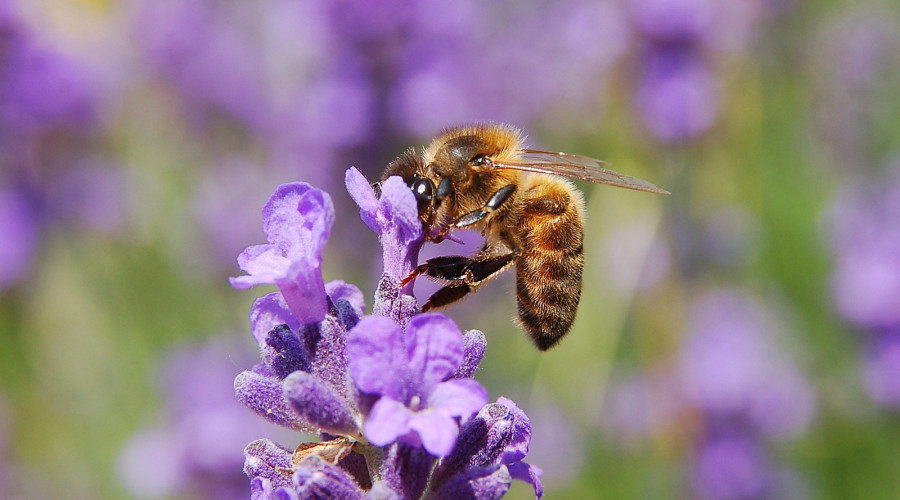
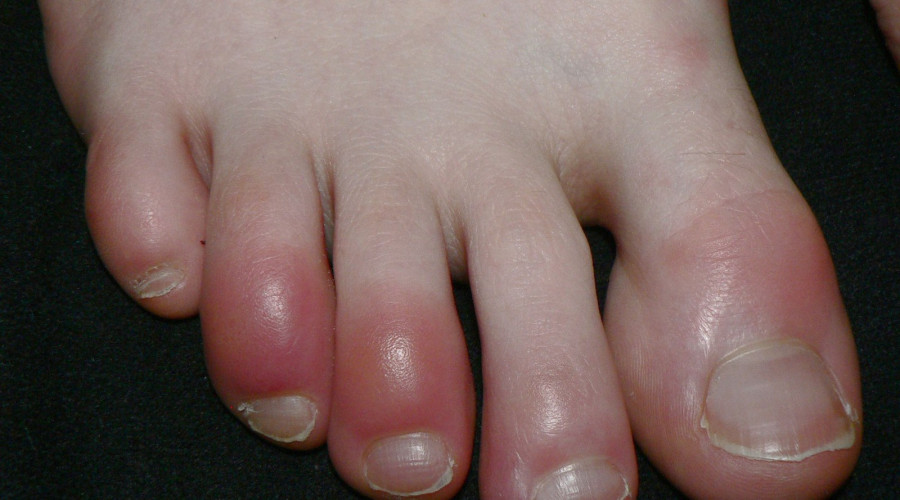
Apis mellifica, often shortened to Apis, is one of the best-known remedies in classical homeopathy. Its name comes from the western honeybee, Apis mellifera, and its traditional picture is built largely on the familiar effects of a bee sting: sudden swelling, rosy redness, burning and stinging pain, and great sensitivity to touch.

Source and preparation

The remedy is made from the whole honeybee. In traditional homeopathic pharmacy, the bee is prepared as a mother tincture or ground into a trituration, which is then repeatedly diluted and shaken (succussed) to produce potencies such as 6C or 30C. William Boericke's Homoeopathic Materia Medica, first published in 1901 and still widely used by homeopaths, gives the dose range as "tincture to thirtieth potency" and notes that lower potencies are traditionally preferred for swelling-type (oedematous) conditions. At the commonly used higher dilutions, little or none of the original substance is likely to remain.

Traditionally used in homeopathy for

Boericke describes Apis as acting on the skin and mucous membranes, "causing oedema". The guiding features he lists are "swelling or puffing up of various parts, oedema, red rosy hue, stinging pains, soreness, intolerance of heat, and slightest touch, and afternoon aggravation".

On this basis, Apis is traditionally used in homeopathy for:

Swelling after insect bites and stings, described as sore and sensitive.

Hives (urticaria) "with intolerable itching".

Puffy, red and burning eyelids, and styes.

A swollen, fiery-red throat and uvula with stinging pain.

Swollen joints, especially a shiny, sensitive knee.

A characteristic Boericke notes is that the person is often "thirstless". The listed modalities are: worse from heat in any form, touch, pressure, late afternoon, after sleeping and in closed, heated rooms; better in open air, from uncovering and from cold bathing. Homeopaths compare Apis with remedies such as Cantharis and Lachesis, and Boericke lists Natrum muriaticum as complementary.

What the evidence says

The traditional descriptions above come from homeopathic provings and clinical records, not from modern controlled trials. Major health bodies have reviewed the research on homeopathy as a whole. Australia's National Health and Medical Research Council (NHMRC) concluded in 2015 that there are no health conditions for which there is reliable evidence that homeopathy is effective. The US National Center for Complementary and Integrative Health (NCCIH) says there is little evidence to support homeopathy as an effective treatment for any specific condition. The NHS notes that complementary therapies are not tested in the same way as standard medicines, and advises people not to stop any prescribed medicine without first talking to their doctor. Some practitioners and patients report benefits, and research continues.

Safety

A sudden swelling of the face, lips, tongue or throat, difficulty breathing or swallowing, or widespread hives after a sting can be signs of anaphylaxis, a medical emergency. Call emergency services or go to hospital immediately, and use an adrenaline auto-injector if one has been prescribed. Do not rely on any homeopathic remedy in these situations, and do not stop any prescribed treatment. People with a known allergy to bee stings should discuss any bee-derived product with their doctor.

This article is for general information only. Consult a registered physician before taking any medicine.

Sources: Boericke, Homoeopathic Materia Medica (Apis mellifica); NCCIH, Homeopathy: What You Need To Know; NHS, Herbal medicines and complementary therapies; NHMRC Statement on Homeopathy (2015).

Image: A western honeybee (Apis mellifera), the insect from which the homeopathic remedy Apis mellifica is prepared. Photo: Luc Viatour via Wikimedia Commons, CC BY-SA 3.0 (http://creativecommons.org/licenses/by-sa/3.0/). Source: https://commons.wikimedia.org/?curid=910247