The United States on Wednesday (25 November) proposed new tariffs on imports from 14 trading partners, including up to 18% on goods from Bangladesh, saying their industrial policies have created excess manufacturing capacity that harms American producers.

US Trade Representative Jamieson Greer announced that an eight-month investigation under Section 301 of the Trade Act of 1974 had found the practices of China, the European Union, Japan, South Korea, Taiwan, India, Vietnam, Singapore, Switzerland, Indonesia, Malaysia, Cambodia, Thailand and Bangladesh to be "unreasonable". The proposals are not yet in force. Written comments and hearing requests are due on 5 January 2027, and public hearings will begin on 25 January, so the duties cannot take effect before late January at the earliest.

Reuters reported that the proposed rates are capped at 18% for Cambodia, Indonesia, Malaysia, Thailand and Bangladesh, and at 15%, including existing most-favoured-nation duties, for Japan, South Korea, Taiwan, the EU and Switzerland. China would face up to 20%, rising to 40% if the US-China trade truce, due to expire on 10 January, is not extended. India faces 25% and Vietnam 35%, but those could fall to 17% and 20% if they conclude trade agreements with Washington, according to Reuters and CNBC. Separately, the US proposed a 10% duty on finished aircraft from Brazil.

The move is the administration's attempt to rebuild tariff leverage after the Supreme Court struck down its broad global duties under an emergency-powers law in February. Analysts told CNBC the new proposal largely puts most targeted countries back where they were earlier in the year. Stock markets in Europe and Asia rose on Thursday, with HSBC's chief Asia economist saying the news was largely "baked in", according to Reuters.

The EU rejected the finding that Europe is a source of overcapacity, and China said it reserves the right to take countermeasures. Singapore said it was "very disappointed" with the proposal.

What it means for Bangladesh

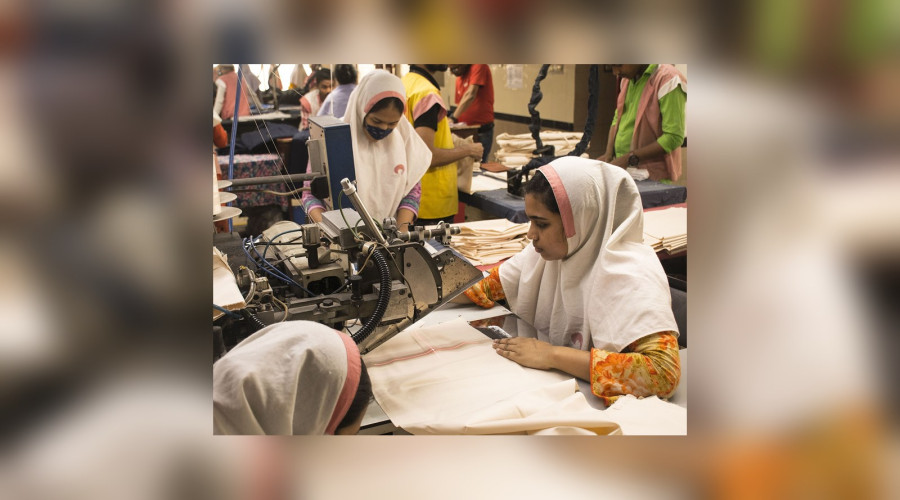
The USTR said Bangladesh's practices include industrial plans to expand manufacturing, production incentives, inadequate labour protections, financial repression policies and failure to address excess capacity, and that its concerns were especially relevant to the ready-made garment sector.

The Daily Star reported that the proposed 18% levy would replace, rather than add to, the 10% duty imposed in July over forced-labour enforcement. With regular most-favoured-nation duties averaging 15.62% on Bangladeshi goods, the overall rate would rise from 25.62% to 33.62%. The newspaper said the United States was Bangladesh's largest single-country export market, buying goods worth $9.47 billion last year, more than 95% of them textiles and garments.

Bangladesh Garment Manufacturers and Exporters Association president Mahmud Hasan Khan said exporters may not suffer much immediately, because competitors face new duties too, but that Bangladesh could feel an effect if American buyers import less. The association has told Washington that Bangladesh has no excess capacity and that exporters are squeezed by low prices from US retailers and brands.

State Minister for Foreign Affairs Humaiun Kobir said on Thursday that there was "scope for discussion" and that Bangladesh would negotiate, pointing to its imports of American cotton, which it turns into garments for the US market. The Business Standard reported that the public hearing gives Dhaka a chance to present its case.

Source: Office of the US Trade Representative, Reuters, CNBC, The Daily Star, The Business Standard

Image: Garment workers in a factory near Dhaka, Bangladesh (file photo). Photo: Fahad Faisal via Wikimedia Commons, CC BY-SA 4.0. Source: https://commons.wikimedia.org/wiki/File:RMG_Bangladesh.jpg