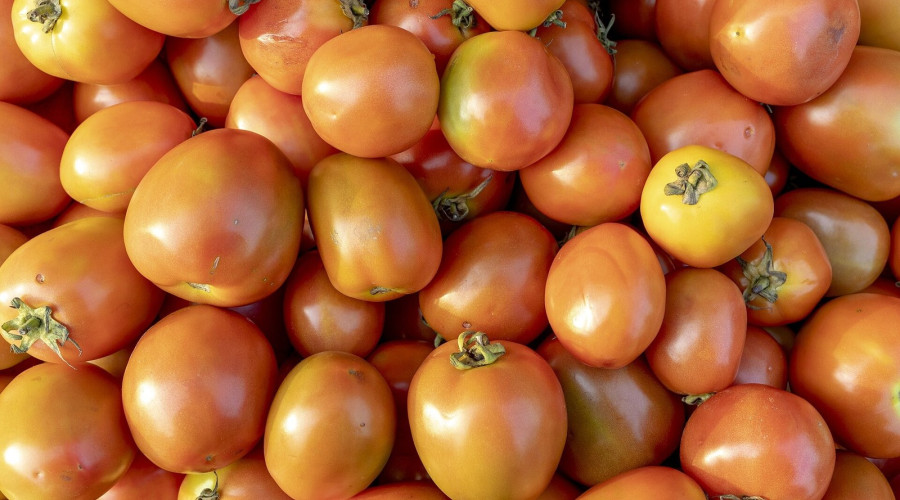
Tomatoes are part of everyday cooking in Bangladesh, from bhorta and curries to salads and chutneys. Botanically a fruit, the tomato is usually treated as a vegetable in the kitchen. It is low in calories and rich in water, and it is one of the main dietary sources of a red pigment called lycopene.

Nutrition facts

The figures below are from the US Department of Agriculture's FoodData Central (entry 170457, "Tomatoes, red, ripe, raw, year round average"), per 100 grams of raw tomato.

Energy: 18 kcal. Water: 94.52 g. Protein: 0.88 g. Total fat: 0.2 g. Carbohydrate: 3.89 g, of which total dietary fibre is 1.2 g and total sugars 2.63 g.

Minerals: calcium 10 mg, iron 0.27 mg, magnesium 11 mg, phosphorus 24 mg, potassium 237 mg, sodium 5 mg.

Vitamins and plant compounds: vitamin C 13.7 mg, vitamin B6 0.08 mg, folate 15 micrograms, vitamin A (RAE) 42 micrograms, beta-carotene 449 micrograms, lycopene 2,573 micrograms, vitamin E 0.54 mg and vitamin K 7.9 micrograms.

What the evidence says about benefits

Vitamin C: The US National Institutes of Health Office of Dietary Supplements says the recommended daily amount of vitamin C is 90 mg for adult men and 75 mg for adult women, with an extra 35 mg a day for smokers. A 100 g serving of raw tomato provides about 13.7 mg, so tomatoes contribute to, but do not by themselves meet, daily needs. Vitamin C helps the body make collagen and supports the immune system.

Potassium and low sodium: With 237 mg of potassium and only 5 mg of sodium per 100 g, fresh tomatoes fit the pattern of a diet high in potassium and low in salt, which health agencies link with healthier blood pressure.

Fruit and vegetable intake: The World Health Organization (WHO) recommends eating at least 400 g of fruit and vegetables a day, excluding starchy roots, as part of a healthy diet that helps protect against noncommunicable diseases. Tomatoes can help meet that target, but varied produce matters more than any single food.

Lycopene: Lycopene is a carotenoid antioxidant that gives tomatoes their red colour. A study indexed in PubMed (PMID 15927929) found that cooking tomatoes with olive oil raised blood lycopene levels, which suggests that fat helps the body absorb the pigment. Interest in lycopene and prostate cancer remains active, but the American Institute for Cancer Research says research has not shown a significant link between eating tomatoes or lycopene and prostate cancer risk. Tomatoes should therefore be seen as part of a healthy diet, not as a protection against any particular disease.

Cautions

Potassium: People with kidney disease who have been told to limit potassium should check with their doctor before eating large amounts of tomatoes or tomato products.

Acid reflux: Tomatoes are acidic and can trigger heartburn in some people with reflux.

Processed products: Canned tomatoes, pastes and sauces may contain added salt or sugar, so check the label.

Allergy: Tomato allergy is uncommon, but anyone who develops itching, swelling or breathing difficulty after eating tomatoes should seek medical care.

Simple ways to eat more

Choose firm, fully coloured tomatoes and wash them well before use. Eat some raw in salads, and cook some with a little oil in curries or sauces. Combine them with other vegetables to add variety.

This is general information, not medical advice.

Sources: USDA FoodData Central (Tomatoes, red, ripe, raw); NIH Office of Dietary Supplements, Vitamin C fact sheet; WHO, Healthy diet fact sheet; American Institute for Cancer Research; PubMed PMID 15927929.

Image: Ripe tomatoes grown in Bangladesh. Photo: Jubair Bin Iqbal via Wikimedia Commons, CC BY-SA 4.0 (https://creativecommons.org/licenses/by-sa/4.0). Source: https://commons.wikimedia.org/?curid=128383392