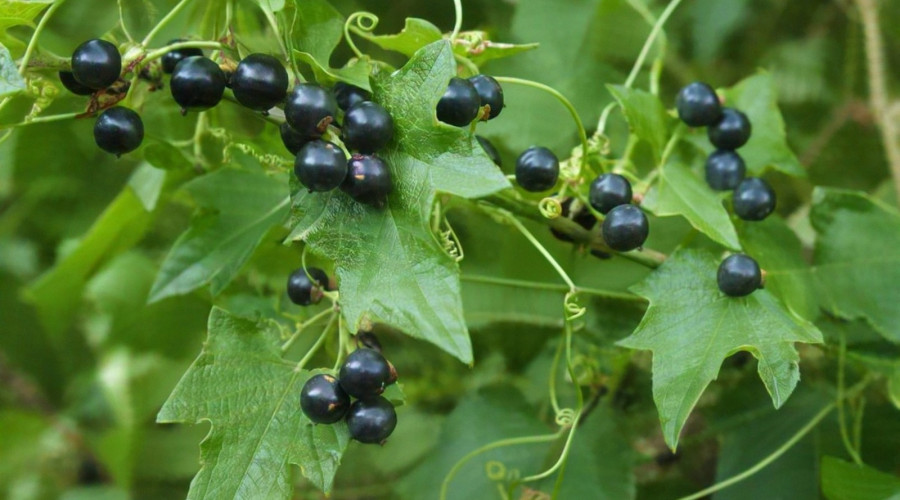
Bryonia alba is one of the older remedies in the homeopathic materia medica. Its entry in classic texts describes a picture of pains that are worse for movement and better for rest. This article looks at what those texts say and what scientific reviews have found.

Source and preparation

The remedy is traditionally prepared from the root of Bryonia alba, known as white bryony or "wild hops", a climbing plant of the cucumber family. The plant is regarded as poisonous, and raw plant material must never be eaten or used as a home remedy.

As with other homeopathic products, a starting extract is diluted and shaken repeatedly in steps. The US National Center for Complementary and Integrative Health (NCCIH) notes that many homeopathic products are so dilute that no molecules of the original substance remain. William Boericke's Homoeopathic Materia Medica, written in 1901, gives the dose as "First to twelfth attenuation".

What the materia medica traditionally lists

Bryonia is traditionally used in homeopathy for complaints in which movement makes symptoms worse. Boericke says it acts on the serous membranes, the thin linings around organs and joints, and that its characteristic pains are "stitching, tearing; worse by motion, better rest". He lists such pains especially in the chest, with a dry, hacking cough, and describes a person who is exceedingly irritable, for whom everything "puts him out of humor".

Other listings include a bursting or splitting headache that is worse when the person moves, stoops or even moves the eyes; dry, parched lips and mouth with thirst for large draughts of water; a feeling of a "stone" in the stomach after eating; and hard, dry stools. Stiff, painful and swollen joints that hurt on the slightest movement also appear in the entry. Boericke describes the typical patient as robust, dark-complexioned and lean, with symptoms that develop slowly and are worse in warmth and in the morning, and better for lying still, pressure and cold things.

Homeopaths choose remedies by matching a person's whole symptom picture rather than a disease name. These are traditional listings from a homeopathic text, not proven medical effects.

What scientific reviews say

Major reviews have not found reliable evidence that homeopathy works better than placebo. In 2015, Australia's National Health and Medical Research Council (NHMRC) concluded that there are no health conditions for which there is reliable evidence that homeopathy is effective. NCCIH says there is little evidence to support homeopathy as an effective treatment for any specific health condition. The NHS notes that complementary therapies are not tested in the same way as standard medicines and advises against stopping prescribed medicine without first talking to a doctor.

Safety

Because the source plant is toxic, quality matters. NCCIH warns that some products labelled as homeopathic may contain substantial amounts of active ingredients and could cause side effects and drug interactions. Stitching chest pain, a cough that persists, a severe headache, painful swollen joints or constipation that does not settle all need assessment by a doctor, and nobody should delay care for them.

This article is for general information only. Consult a registered physician before taking any medicine.

Sources: Boericke, Homoeopathic Materia Medica (Bryonia alba); NCCIH, Homeopathy: What You Need To Know; NHS, Homeopathy; NHMRC Statement on Homeopathy (2015).

Image: Berries and leaves of Bryonia alba (white bryony), the plant from which the homeopathic remedy is prepared. Photo: Steffen Bauer (www.saatpilot.de) via Wikimedia Commons, CC BY 4.0 (https://creativecommons.org/licenses/by/4.0). Source: https://commons.wikimedia.org/?curid=203399784