Iran has said the Strait of Hormuz will stay closed until its demands are met, even as Qatari and Pakistani mediators keep passing proposals between Tehran and Washington, while US President Donald Trump said on Thanksgiving that the United States has "victory at hand" in the war.

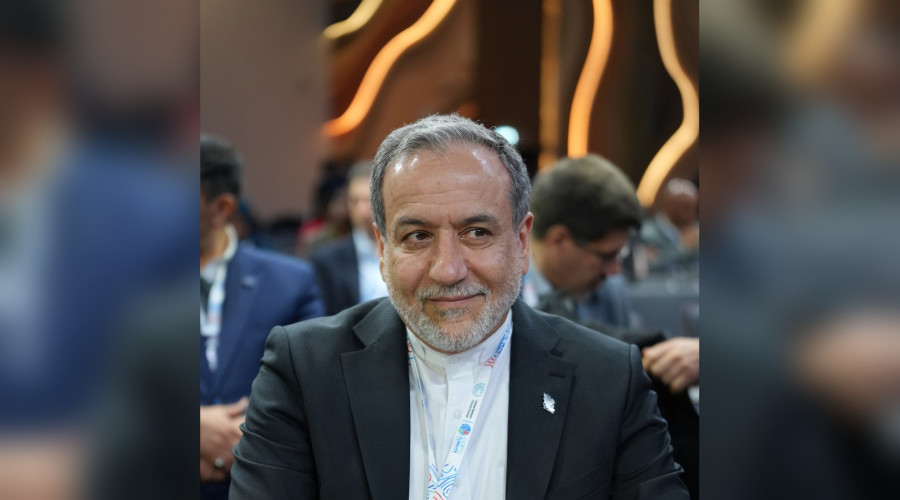
In an interview with Iranian state television on Thursday (26 November), Foreign Minister Abbas Araghchi said the mediators were "exchanging ideas and putting forward proposals", which he called "part of the usual process". Some ideas were being examined and he thought "there may be ways to move forward", he said, but Iran's position "remains unchanged". "We have a set of demands that must be met and implemented before the Strait of Hormuz is reopened and negotiations continue toward a final agreement," he added.

According to Anadolu Agency, the demands Iran has conveyed to Washington include lifting the US naval blockade of Iranian ports, guaranteed safe passage for commercial ships and oil tankers, removal of sanctions, exemptions for oil exports, the release of frozen Iranian assets, keeping nuclear material inside Iran and an end to the war. Arab News reported that Washington wants assurances that ships can pass without being attacked and says Iran's nuclear programme must be part of any initial negotiations.

Speaking in calls with US troops from his Mar-a-Lago residence in Florida, Trump said: "We have victory at hand. It's going to be whenever, sort of, whatever I want it to be." He said Washington was "giving them every chance to make a deal and save a lot of lives, but I'm not sure if they are going to take advantage of that". Trump said that if the US took further action, it would "definitely hit Pickaxe Mountain", the site where Iran is suspected to have underground uranium enrichment facilities, according to Al Jazeera and The Washington Times. In a call with Navy personnel, he called the US blockade "the most successful blockade in naval history".

The war began on 28 February, when the United States and Israel attacked Iran. Pakistan and Qatar helped broker a memorandum signed on 18 June that briefly halted the fighting, but the truce later broke down and both sides accuse each other of violating it. Since July, clashes between the two sides have periodically resumed and spread to Arab countries in the region, Anadolu reported.

The diplomatic exchanges came on the same day that two Italian technicians were killed in Kuwait by debris from drones that Kuwait said were Iranian, a charge Tehran denies. The disruption around Hormuz, a key route for global energy shipments, and the US blockade have made the waterway the central issue in the negotiations.

Source: Reuters, CNBC, Al Jazeera, Anadolu Agency, Arab News, The Washington Times

Image: Iranian Foreign Minister Abbas Araghchi at the COP31 climate summit in Antalya, Turkey, on 11 November 2026 (file photo). Photo: Xuthoria via Wikimedia Commons, CC BY-SA 4.0. Source: https://commons.wikimedia.org/wiki/File:COP31_-_Abbas_Araghchi_10.jpg