As winter sets in across Bangladesh, the air turns cooler and drier, and many people notice their skin becoming tight and rough and their lips starting to crack. Dry skin is usually harmless and responds well to simple care, but it helps to know what causes it and when it needs a doctor's attention.
Causes and symptoms
Mayo Clinic says dry skin, known medically as xerosis, happens when the outer layer of skin loses water. Common causes include cold or dry weather, low humidity, long hot baths or showers, scrubbing, and harsh soaps and detergents that strip away the skin's natural oils. Skin also tends to become drier with age. People who often have their hands in water, or who work with cement, clay or soil, are more likely to be affected, as are people with eczema or psoriasis and some medical conditions.
Symptoms include a feeling of tightness, rough skin, itching, flaking or scaling, fine lines and cracks that may bleed. On brown skin, dryness can look ashy or greyish.
The NHS says dry or sore lips are common in hot or cold weather. Causes include cold, dry air or wind, sun damage, dehydration, injury to the lip and allergies.
Self-care and prevention
Mayo Clinic advises moisturising regularly, especially the hands, and applying moisturiser while the skin is still damp after washing. It suggests keeping baths and showers to 10 minutes or less with warm rather than hot water, using a gentle, fragrance-free cleanser, covering up in cold or windy weather, wearing gloves for housework or gardening, and drinking water when thirsty. For the lips, the NHS recommends a lip balm containing petroleum jelly or beeswax, a balm with SPF 15 or higher outdoors, and covering the lips with a scarf in cold weather. It also advises against picking flaky skin, licking dry lips or sharing lip balm.
When to see a doctor
Mayo Clinic advises seeing a health professional if dry skin does not improve with self-care, becomes red or painful, affects your sleep or daily life, or develops open sores or infection, or if large areas of skin are scaling or peeling. The NHS advises seeing a doctor if your lips are hot, painful and swollen, which could be a sign of infection. A small fluid-filled blister on the lip may be a cold sore.
Traditional homeopathic listings
In homeopathy, remedies are chosen according to a person's overall symptom picture. William Boericke's Homoeopathic Materia Medica lists Petroleum for skin that is "dry, constricted, very sensitive, rough and cracked, leathery", with fingertips that crack every winter and complaints that are worse in winter. Graphites is listed for rough, hard and persistently dry patches of skin and for cracks at the ends of the fingers. For the lips, Natrum muriaticum lists lips and corners of the mouth that are dry and cracked, including a "deep crack in middle of lower lip".
These are traditional listings drawn from homeopathic texts, not proven cures. Australia's National Health and Medical Research Council concluded in 2015 that there are no health conditions for which there is reliable evidence that homeopathy is effective. The US National Center for Complementary and Integrative Health says there is little evidence for homeopathy as a treatment for any specific health condition. Homeopathic products should not replace good skin care or delay a medical check of skin that is infected or not healing.
This article is for general information only. Consult a registered physician before taking any medicine.
Sources: Mayo Clinic, Dry skin: Symptoms and causes; NHS, Sore or dry lips; Boericke, Homoeopathic Materia Medica (Petroleum, Graphites, Natrum muriaticum); NCCIH, Homeopathy: What You Need To Know; NHMRC Statement on Homeopathy (2015).
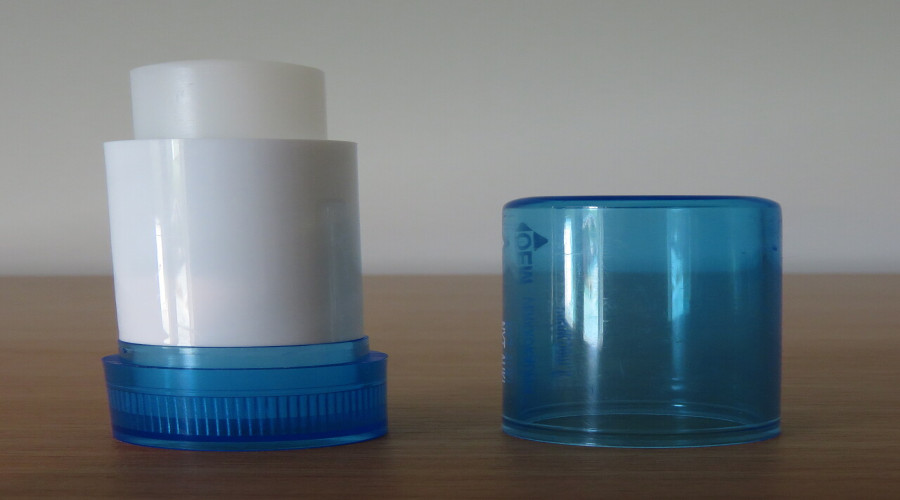
Image: Illustrative photo: lip balm. Photo: Helar Lukats via Wikimedia Commons, CC BY-SA 4.0 (https://creativecommons.org/licenses/by-sa/4.0). Source: https://commons.wikimedia.org/wiki/File:Lip_balm.jpg