The first women have joined what organisers describe as the world's largest trial of artificial intelligence (AI) in breast cancer screening. Nearly 700,000 women across the UK are to be invited over the next three years, the BBC and the University of Warwick reported on 23 November.
The £10 million EDITH trial is funded by the National Institute for Health and Care Research (NIHR). It is led by the University of Warwick, the University of Cambridge and Cambridge University Hospitals NHS Foundation Trust, working with NHS England. Recruitment has begun at Cambridge University Hospitals, the first of 30 sites, and more will open in the coming months.
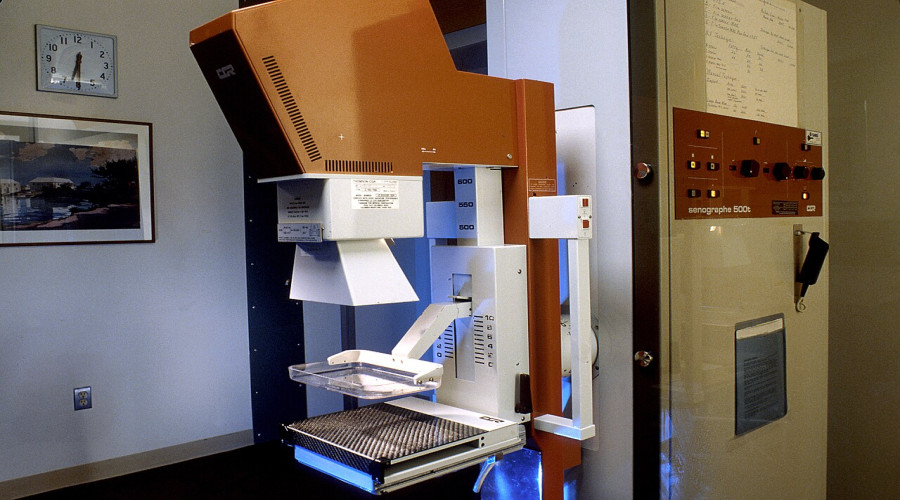
In the UK, women aged 50 to 71 are invited for routine breast screening every three years. At present, two specialists examine each mammogram, the X-ray image of the breast. In the trial, AI will replace one of the two human readers. In one arm, the AI will grade images before they reach NHS experts. In another, it will review them afterwards. The researchers said they had tested four AI systems for accuracy, and that all clinical decisions in the trial will stay with NHS staff.
The aim is to find out whether AI can catch more cancers early and reduce pressure on staff without causing harm. "AI-assisted technology could help improve early cancer detection but we want to avoid the overdiagnosis of milder disease that would never have caused symptoms," said Professor Sian Taylor-Phillips of the University of Warwick, a co-chief investigator.
Professor Fiona Gilbert of the University of Cambridge, the other co-chief investigator, said fewer than 1 percent of women screened have cancer. She said technology could make reviewing images more efficient and free up radiologists to spend more time with patients. Gilbert told the BBC there was a "huge shortfall" in radiologists, while the number of imaging examinations is rising by 8 percent a year.
Smaller studies have already suggested that AI can improve detection rates, the BBC reported. The researchers want to confirm that it will not lead to women being recalled unnecessarily for more tests. According to the BBC, the UK screening programme is estimated to help prevent around 1,300 deaths a year.
Taking part will not change what happens at a screening appointment. Invitation letters will explain the study, and women who do not want to take part can opt out.
The trial adds to a growing global debate on using AI safely in medicine. For women everywhere, doctors' advice is unchanged: attend breast screening when invited, and see a doctor promptly about any new breast lump or change.
Source: BBC, University of Warwick
Image: Illustrative photo: a mammography machine. Photo: Bill Branson, National Cancer Institute via Wikimedia Commons, Public domain. Source: https://commons.wikimedia.org/wiki/File:Mammography_machine.jpg