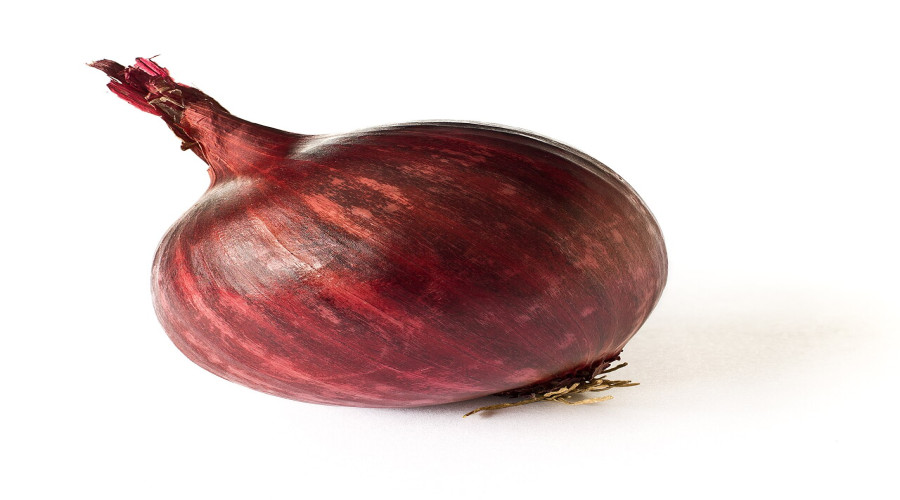
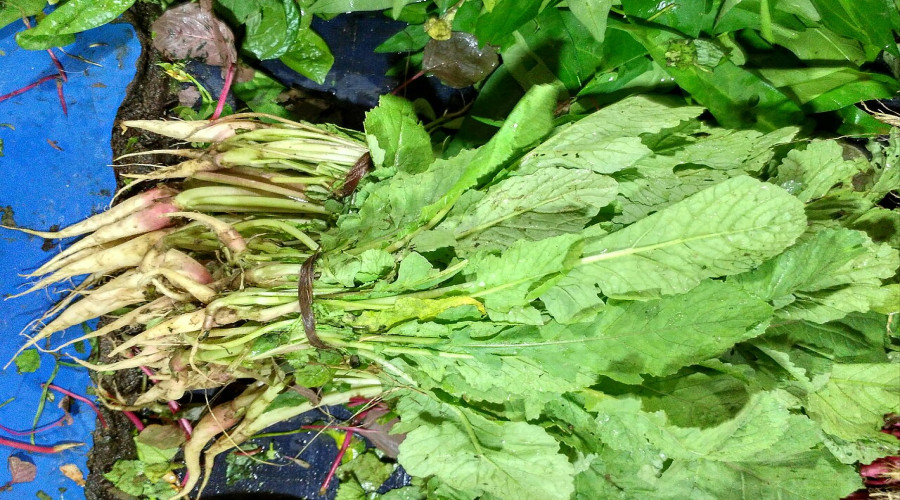
Anyone who has chopped an onion knows how quickly it can make the eyes water and the nose run. Allium cepa, the homeopathic preparation made from the red onion, is closely linked in homeopathic literature to that same picture of streaming eyes and nose.
Source and preparation
Allium cepa is the botanical name of the common onion, a staple of Bangladeshi kitchens. The US National Center for Complementary and Integrative Health (NCCIH) names red onion as one of the plants used to make homeopathic products. These products are made by repeatedly diluting a starting substance and shaking it at each step. NCCIH notes that many homeopathic products are so diluted that no molecules of the original substance remain. They are usually sold as sugar pellets, tablets or drops.
Traditional uses in homeopathic literature
In William Boericke's Homoeopathic Materia Medica, a classic early 20th-century reference, the entry for Allium cepa begins by describing "a picture of coryza", the old medical term for a head cold. The text describes a copious, watery and acrid (irritating) nasal discharge, with sneezing, especially on entering a warm room. In contrast, the eyes water freely but the tears are described as bland, meaning they do not irritate the skin. Boericke lists the remedy for hay fever, for colds in damp, cold weather, and for a catarrhal headache felt mostly in the forehead.
The same entry mentions hoarseness, a tickling in the larynx and a hacking cough on breathing cold air, as well as "singers' cold". The characteristic pattern of what makes symptoms worse or better is that they are said to be worse in the evening and in a warm room, and better in the open air and in a cool room.
Homeopaths traditionally choose a remedy by matching it to the person's overall symptom picture rather than to a disease name. These are traditional listings from homeopathic texts, not proven medical effects.
What scientific reviews say
Major reviews have not found reliable evidence that homeopathy works better than placebo. In 2015, Australia's National Health and Medical Research Council (NHMRC) concluded after a broad assessment that there are no health conditions for which there is reliable evidence that homeopathy is effective. NCCIH states that there is little evidence to support homeopathy as an effective treatment for any specific health condition. It also warns that some products labelled as homeopathic may contain substantial amounts of active ingredients and could cause side effects and drug interactions, so products should be bought only from registered sources.
Safety and sensible use
The NHS says people with a common cold should begin to feel better in about one to two weeks, while hay fever can last for weeks or months. A pharmacist can suggest treatments, such as antihistamines or steroid nasal sprays for hay fever. For a cold, the NHS advises seeing a doctor if you have a high temperature for more than three days, feel short of breath or have chest pain, your symptoms do not improve after 10 days, or a cough lasts more than three weeks. For hay fever, it advises seeing a doctor if symptoms get worse or do not improve with pharmacy medicines. No homeopathic product should delay proper care or replace medicines prescribed by a doctor.
This article is for general information only. Consult a registered physician before taking any medicine.
Sources: Boericke, Homoeopathic Materia Medica (Allium cepa); NCCIH, Homeopathy: What You Need To Know; NHMRC Statement on Homeopathy (2015); NHS, Hay fever; NHS, Common cold.
Image: A red onion (Allium cepa), the source of the homeopathic preparation. Photo: Colin via Wikimedia Commons, CC BY-SA 3.0 (https://creativecommons.org/licenses/by-sa/3.0). Source: https://commons.wikimedia.org/wiki/File:Red_Onion_on_White.JPG