The common cold is a viral infection of the nose and throat. Mayo Clinic says it is most often caused by rhinoviruses and that adults may have two or three colds a year, while young children may have them more often. Most people recover in seven to 10 days. The NHS says you can often treat a cold without seeing a GP and should begin to feel better in about one to two weeks.
Symptoms usually start one to three days after exposure, Mayo Clinic says, or come on gradually over two to three days, according to the NHS. They commonly include a runny or blocked nose, sneezing, a sore or scratchy throat, a cough and tiredness. There may also be slight body aches, a mild headache or a low-grade fever. Mayo Clinic notes that mucus may start clear and later become thicker and yellow or green, and that this change is usually normal and does not by itself mean a bacterial infection. Flu tends to come on more quickly and to make people too unwell to carry on as normal, the NHS says.
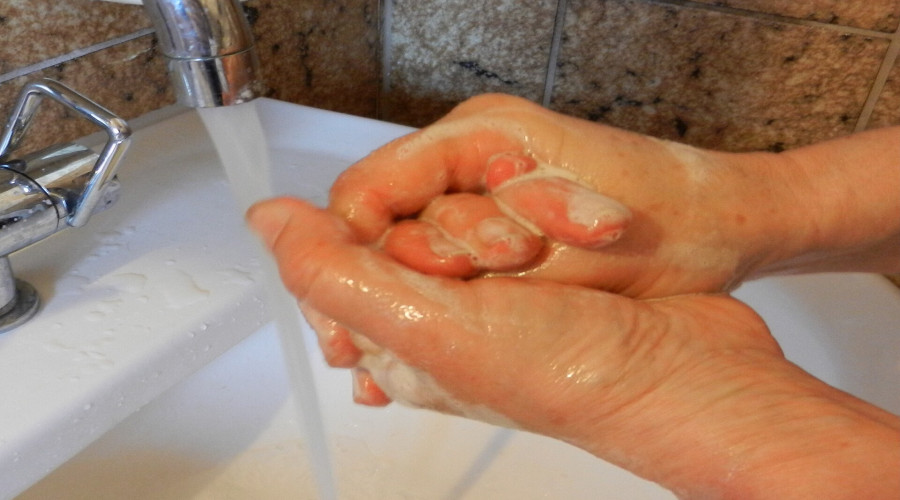
A cold virus can spread through droplets when someone coughs, sneezes or talks, by hand contact, or by touching the eyes, nose or mouth after contact with contaminated surfaces. Prevention, as set out by Mayo Clinic and the NHS, includes washing hands often with soap and water, avoiding touching the eyes and nose with unwashed hands, covering coughs and sneezes with a tissue, and not sharing towels, cups or similar items. Rest, fluids and simple measures such as a hot lemon and honey drink for a sore throat may ease discomfort, the NHS says. Antibiotics do not work against cold viruses and are not recommended for a simple cold.
See a doctor if symptoms get worse or do not improve, if a high temperature lasts more than three days, if you feel short of breath or have chest pain, if a cough lasts more than three weeks, or if you have a long-term condition or a weakened immune system and develop cold symptoms, the NHS advises. Mayo Clinic also lists shortness of breath, wheezing, and a fever above 38.5°C lasting more than three days as reasons for adults to seek care, and gives separate urgent signs for infants and children, including fever in newborns.
In homeopathic literature, several remedies are traditionally used for cold-like symptoms, with the choice said to depend on the person's overall picture rather than the disease name alone. In Boericke's materia medica (1901), Allium cepa (red onion) is traditionally described for a "picture of coryza, with acrid nasal discharge" and bland, watery eyes, often worse in a warm room and better in the open air. Aconitum napellus is traditionally listed for sudden onset after exposure to dry, cold weather, with restlessness, in the beginning of an acute illness. Gelsemium sempervirens is traditionally associated with dullness, drowsiness, trembling and heavy eyelids, and with "acute coryza, with dull headache and fever." These are traditional listings, not proven cures. Major reviews, including the Australian NHMRC's 2015 assessment and NCCIH's summary, have found little reliable evidence that homeopathy is effective for any specific health condition, including colds. Homeopathic products should not replace rest, fluids, or medical care when warning signs appear.
This article is for general information only. Consult a registered physician before taking any medicine.
Sources: Mayo Clinic, Common cold; NHS, Common cold; CDC, About Common Cold; Boericke, Materia Medica (Allium cepa, Aconitum napellus, Gelsemium); NCCIH, Homeopathy; NHMRC Statement on Homeopathy (2015).
Image: Beat Ruest / Wikimedia Commons (CC BY-SA 4.0). Washing hands with soap, a recommended way to reduce the spread of colds.