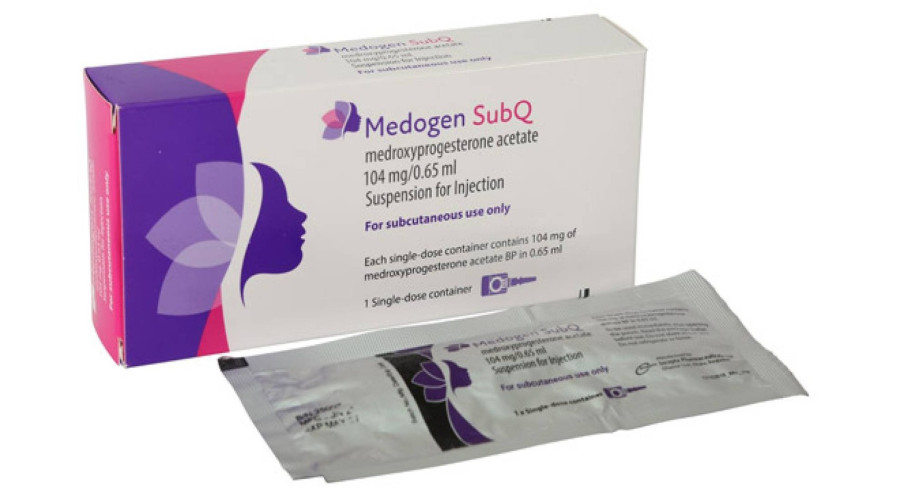
Bangladesh's first self-injectable contraceptive went on sale on Tuesday (24 November), when Incepta Pharmaceuticals Ltd launched Medogen SubQ at a ceremony in Dhaka attended by around 500 gynaecologists.
The product is a 104mg dose of medroxyprogesterone acetate, the same hormone used in the conventional contraceptive injection. It is given as an injection under the skin from a pre-filled Uniject device once every three months, or every 12 to 14 weeks. The company describes it as the world's first generic version of a WHO-prequalified subcutaneous injectable contraceptive of this kind. It has been approved by the Directorate General of Drug Administration, The Business Standard reported.
Unlike the conventional injection, which is given into a muscle at a clinic, the new formulation can be self-administered once a woman has been properly trained and advised by a doctor, according to the company and the state news agency BSS. Incepta's product information says the first injection should be given under the supervision of a health professional. The dose uses around 30 percent less active ingredient than the standard 150mg intramuscular version, the company said. Each dose costs Tk 550.
Speaking at the launch, Professor Maruf Siddiqui, secretary general of the Fertility and Sterility Society of Bangladesh, said the subcutaneous injection has more than 99 percent contraceptive efficacy. He cited a study of 2,042 women in which no pregnancies were recorded. He said the injection could help women who find it hard to visit clinics regularly or to take a pill every day. The injection is also indicated for pain linked to endometriosis.
Doctors at the event also urged caution. Professor Anwara Begum, a former president of the Obstetrical and Gynaecological Society of Bangladesh (OGSB), stressed the need for proper counselling on possible side effects. OGSB president Professor Firoza Begum called for training of health workers to ensure the product is used correctly. Common side effects include changes in menstrual bleeding, weight gain, headache and temporary redness, swelling or tenderness where the injection is given, The Business Standard reported. Women must consult a registered physician before using it.
Industry estimates put Bangladesh's market for contraceptive pills and injectables at around Tk 110 crore a year, with oral pills making up about 90 percent, The Daily Star reported. Incepta chairman and managing director Abdul Muktadir said development began in 2011, and he put the total investment at $60 million to $70 million. The company is also working to produce the active ingredient and the injection device locally to cut its reliance on imports.
Source: The Business Standard, The Daily Star, BSS
Photo: Courtesy of Incepta Pharmaceuticals